
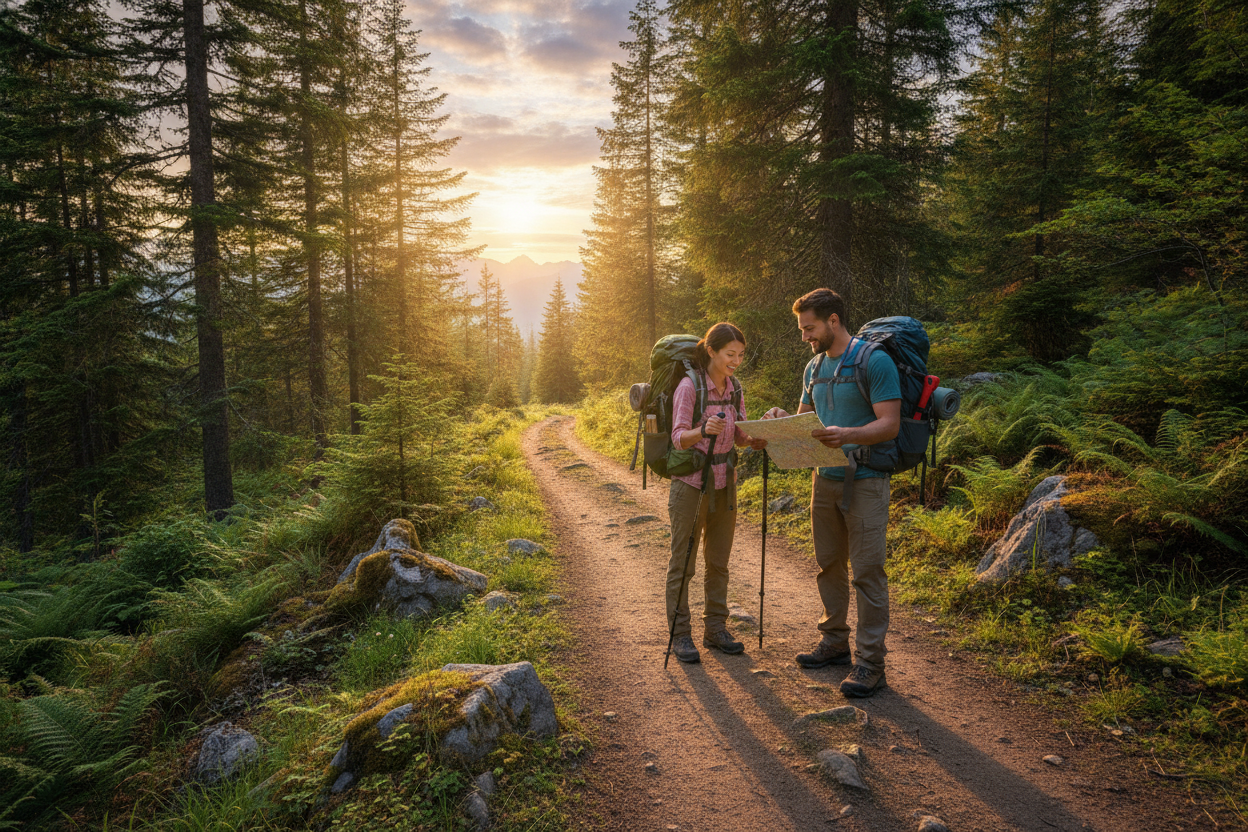
Good trail experiences start with preparation. Before you head out, check the weather, study the route, and let someone know where you are going. A quick review of trail distance, elevation gain, and turnaround time can prevent many common problems. For hikers and trail runners alike, it helps to carry enough water, a small first-aid kit, and a charged phone or backup navigation tool.
Once you are on the trail, pay attention to changing conditions. Mud, loose rock, stream crossings, and sudden temperature shifts can all affect safety. Keeping a steady pace and taking short breaks reduces fatigue, especially on longer routes. If you are hiking with others, agree on a pace that works for everyone so no one gets left behind. On unfamiliar paths, look for trail markers and confirm your route at junctions rather than assuming you are on the right way.
Trail safety also means knowing your limits. Turning back early is often the smartest decision, not a failure. If a storm builds, daylight fades, or energy drops faster than expected, adjust your plans. The best outdoor memories usually come from trips that end safely and with enough energy to enjoy the next one. A careful approach protects you, supports other trail users, and keeps the outdoors welcoming for everyone.
Leave a Reply